A Technician Sent to You
File one request and a technician is assigned to your home.

Home warranty coverage for heating, cooling, plumbing, electrical and appliances
I help you find coverage for heating and cooling, plumbing, electrical, water heating, and the kitchen and laundry appliances you use every day.
Get StartedHere are three reasons homeowners sign up, in the plain terms I would use with a neighbor.
File one request and a technician is assigned to your home.
When a fix is not possible, some plans pay toward a new unit.
A set fee per visit is easier to budget than a surprise bill.
Plans differ, but most are built around the same household systems and appliances.

Every breakdown falls under a type of coverage. What gets paid still depends on the terms of your plan.
this falls under: Heating & Cooling
this falls under: Water Heating
this falls under: Laundry Appliances
These are the coverage areas I focus on. Each one looks after a different part of your home.
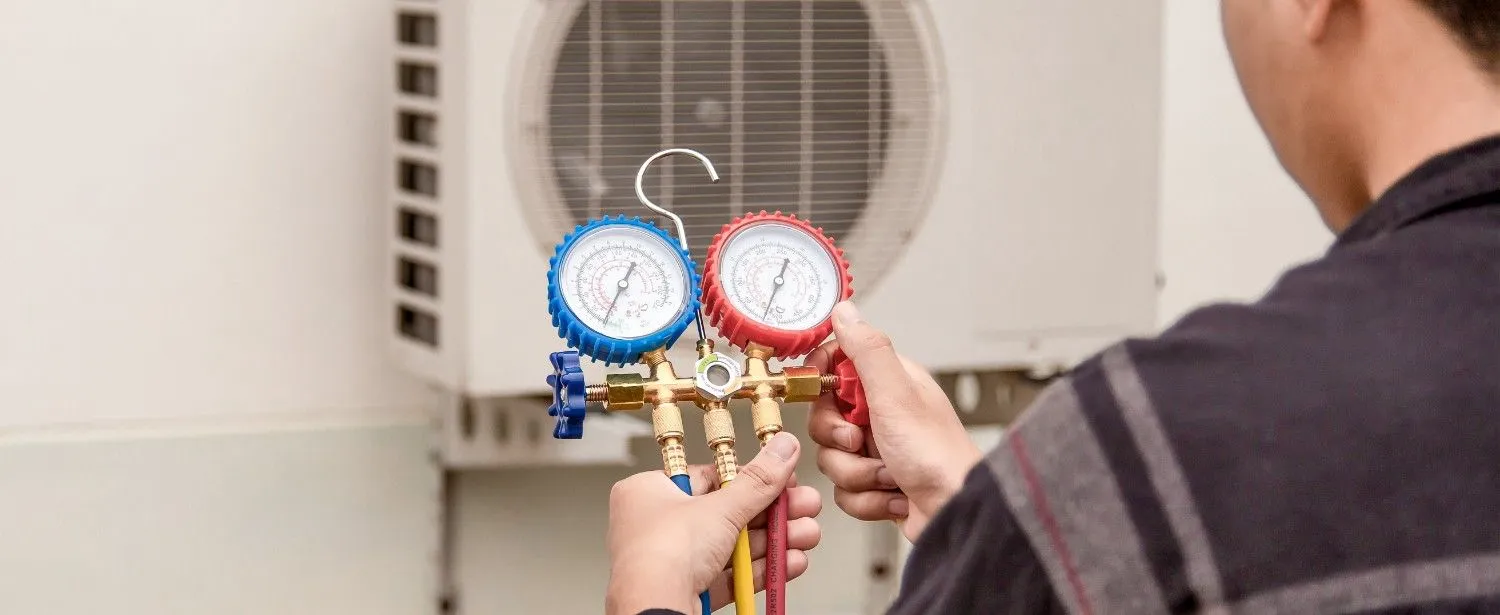
Furnaces, heat pumps, central air and the water heater. Repairs here cost the most, and they tend to come up when the weather is at its worst.
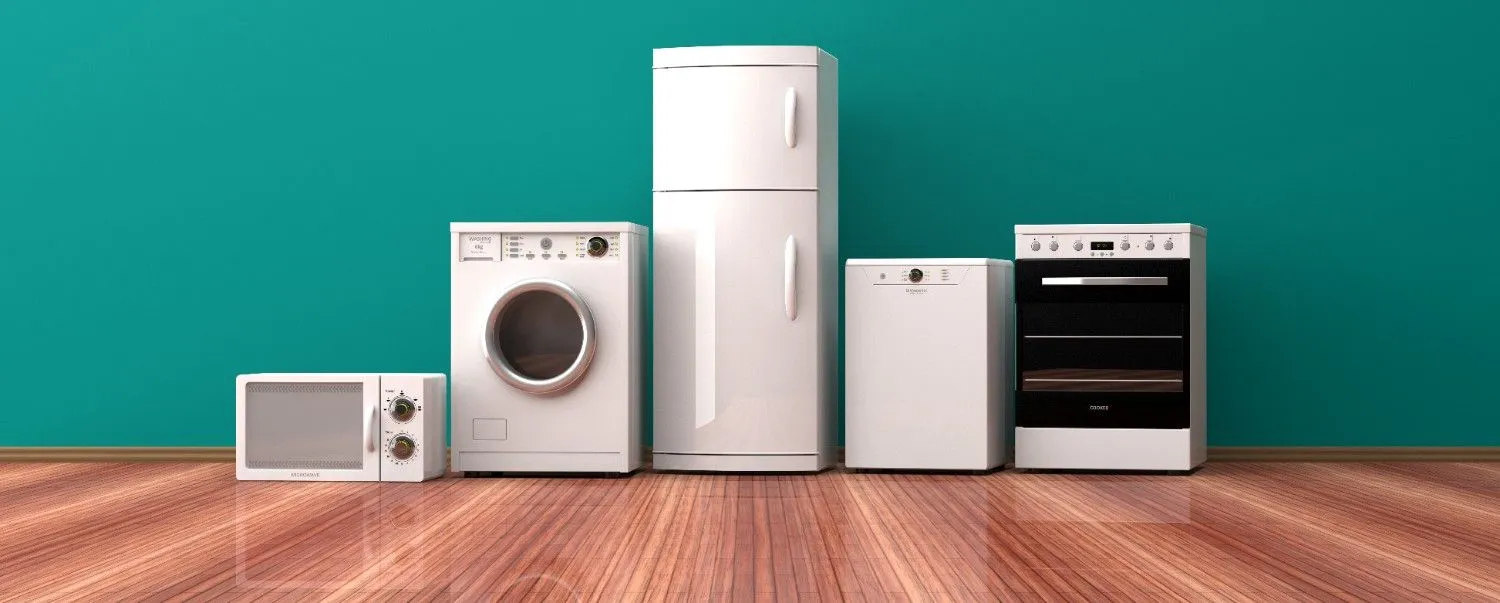
Refrigerators, ovens, dishwashers, washers and dryers. Daily use wears down motors, pumps and controls well before the outside looks old.
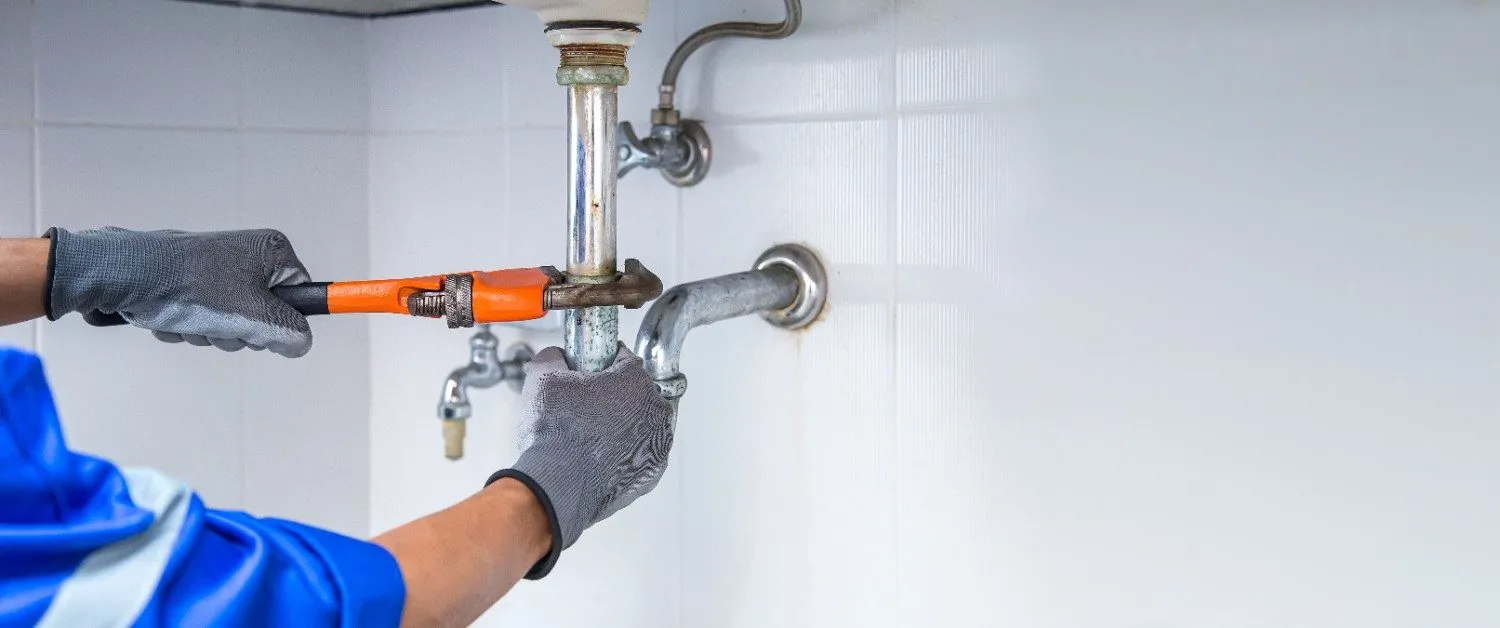
Pipes, drains, wiring and the breaker panel. Most of it sits behind walls, so a slow leak or a dead outlet can go unseen for quite a while.
Buying the plan is the easy part. Here is the order things usually happen in after a covered item breaks down.
Match it to the age of your equipment, not to whichever list looks longest.
Many contracts hold off on requests for a short stretch after you sign up.
Something fails, so you report it online and a visit gets booked for you.
The technician names the cause, then the provider says what is allowed.
Tell me a little about your home and I will point you to plans that fit it.
Begin SignupThese are the questions I get asked most, each with a short answer.
No. Home insurance responds to events such as fire, storms or theft, while a home warranty is a service contract for systems and appliances that fail from normal use.
Usually not. Most contracts leave out faults that existed before the start date, so check how your plan defines a pre-existing condition.
In most cases the provider assigns a contractor from its own network after you file a request. A few plans let you hire your own and claim the cost back.
The contract may allow a replacement or a cash payment, up to the limit set for that item. That amount can be lower than the price of a new unit.
Landlords often do, for rental homes they own. Renters rarely need one, since fixing the building's systems is normally the owner's job.